
How do Leaders in High-Tech Electronics Compete?
High-tech electronics manufacturing is one of the fastest moving industries in the world. Technologies change seemingly overnight and competition is fierce. How do leaders in high-tech electronics compete?
Common challenges in high-tech electronics manufacturing
Whether creating a medical device, printer, or camera, high-tech electronics manufacturers have to stay abreast of quickly changing trends. In many cases, that means innovating new technologies, while driving costs lower. But that’s just the start. High-tech electronics manufacturers often must:
- Create appealing designs
- React quickly to competition and feedback during product development
- Adapt to shrinking margins and short product lifecycles
- Address emerging markets, e.g., China
- Develop growth in established markets by releasing newer and better versions of legacy products
- Heavily invest in innovation
Creo Elements/Direct Modeling is the choice of many high-tech electronics manufacturers. Here's a few interesting use cases from manufacturers who use Creo Elements/Direct to overcome common challenges.
Creo Elements/Direct Modeling keeps SEIKO EPSON printers humming
SEIKO EPSON is a global manufacturer of printers, scanners, video equipment, optical lenses, and industrial robots. The company’s strategic focus, however, is in its printers. And virtually all of SEIKO EPSON printers today have been designed using a direct modeling approach with Creo Elements/Direct Modeling.
“Creo Elements/Direct Modeling has helped us dramatically shorten the time it takes to create prototypes—which really improves our productivity.”
Kazayuki Kagami, Head of Large Format Printer Planning and Design Division, SEIKO EPSON
Read the whole SEIKO EPSON case study
Carl Zeiss Meditec sees bright future in direct modeling
For more than 100 years, Carl Zeiss Meditec has been providing products and services to improve people’s eyesight. Carl Zeiss Meditec today is one of the world’s leading suppliers of complete system solutions in the field of medical technology for ophthalmology. With Creo Elements/Direct Modeling, the company adapted one of its hospital products for use by private practitioners. The result? $100 million in sales of the new product in just two years.
“Creo Elements/Direct’s direct, intuitive approach makes our design process both creative and efficient.”
Chris Baker, Director Mechanical Engineering, Carl Zeiss Meditec
Read the whole Carl Zeiss case study
Creo Elements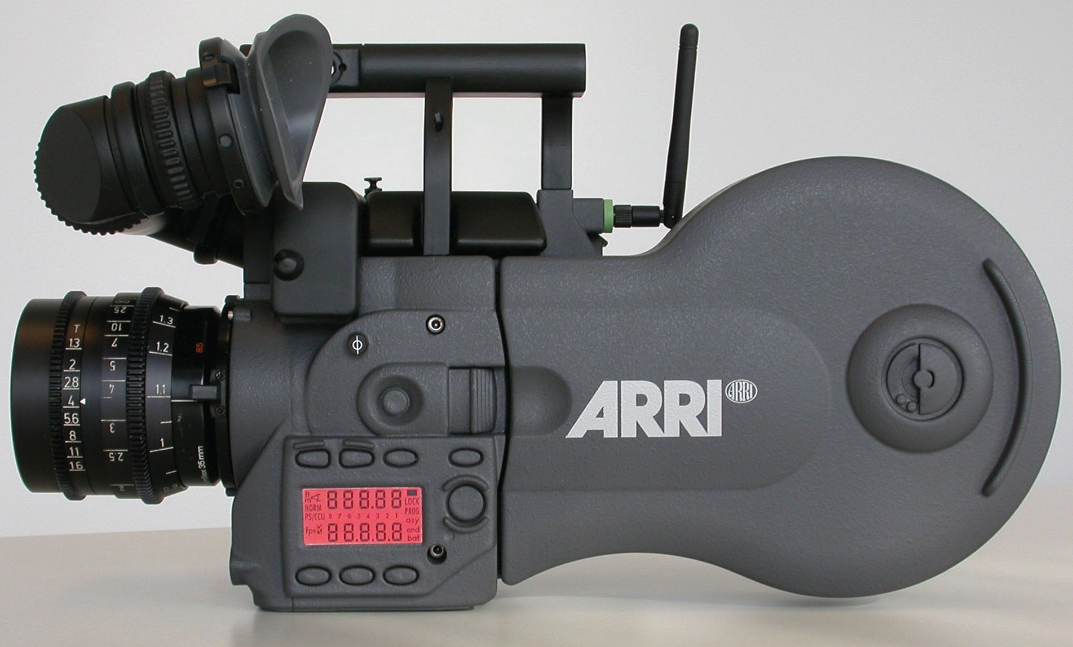 /Direct Modeling plays leading role with ARRI
ARRI is renowned for its development and innovation in the design and manufacture of advanced camera systems for the motion picture entertainment industry. ARRI developed its groundbreaking 416, the quietest 16-mm camera on the market, using Creo Elements/Direct Modeling. The company chose the PTC product because they could make changes to the model, even after cameras were already being used on the set.
“Eighty to ninety percent of a camera has to be developed completely from scratch because the technology changes at lightning speed, especially for electronics and optics. We incorporated changes in the camera throughout the entire process, even up to market maturity. Direct modeling with PTC Creo Elements/Direct gives us just the right modeling method [to do that].”
Josef Handler, Mechanical Development Engineer, ARRI
Read the whole ARRI case study
To see more examples of products created with Creo Elements/Direct solutions, visit the Creo Elements/Direct Modeling Showcase.