
Hard Chrome Plating Helps Cut Industrial Production Costs
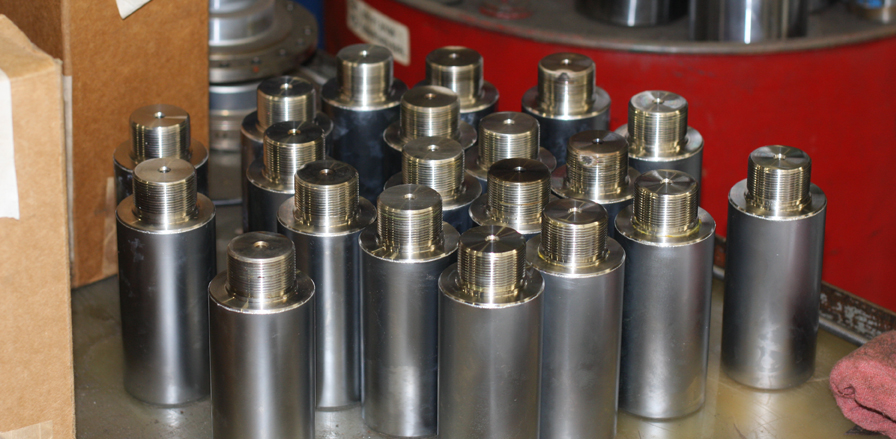
Keeping industrial production costs down is an essential part of being able to maintain a profitable presence in the highly competitive global marketplace of today. Hard chrome plating is an important factor in helping industrial machinery last longer while maintaining optimum performance levels. It helps machine surfaces subject to stressful conditions, like friction from continuous sliding or other abrasive movements, to last longer. This type of plating can also be used to restore worn surfaces and parts, and can be considerably more cost effective than replacement with new parts or machinery.
Using chromium to increase the longevity of metals like steel became widespread during the 1930's, after decades of research. With the entire world struggling through a major economic depression, it was an ideal time to find a method of helping costly production equipment last longer. The early hard plating relied on a chromic acid sulfate bath at a 100:1 ratio. Research continued to seek means of refining and improving plating techniques, introducing the dual catalyst bath in 1949, which added a type of fluoride to the process. Using sulfate and fluoride improved corrosion resistance, as well as overall hardness and resistance to wear.
Research and development teams continued making improvements to the process, such as decreasing the amount of fluoride and testing other catalysts, until arriving at the more efficient and resource conscious plating methods in use today. Hard plating, a term used to distinguish the sort of plating meant for industrial use from the decorative use of chromium, is an exacting process. It has to be in order to meet the precise measurements required in the manufacture of machine parts. Depending on the specific requirements and desired surface performance requirements, industrial use plating can range from 0.2 to 0.6 mil thick. Occasionally, parts and surfaces needed to withstand extreme friction may be plated to 1.0 mil.
Hard chrome plating helps expensive industrial equipment, like massive, high dollar turbines, perform better and last longer. Fewer labor hours diverted into repair and a reduction in equipment down time means better production levels. Less money spent on replacing parts that wear out too soon and the option to restore parts and machinery instead of taking on the larger expense of replacement are great for the industrial bottom line. For companies competing on a global level, against factories in nations with low labor costs and other advantages, those are vital savings, helping them to stay profitable and keep people working.